The Occupational Safety, Health and Working Conditions Code, 2020 and the Factories Act, 1948 put the duty for a safe workplace on the employer, and BRSR now asks listed companies to disclose their safety performance. Most incidents happen in the gap between the written policy and the shop floor.
Our workplace safety course makes every employee part of the safety system. The guides below cover EHS law, first aid, road safety, ergonomics and contractor and visitor safety.
Quick answer
Since 21 November 2025 the OSH Code 2020 requires every employer to keep the workplace free of hazards and, in factories, mines, docks, construction and plantations, to give employees the information, instruction, training and supervision they need to work safely. Every worker, supervisor and contractor on site must be trained.
The course
What the law requires
Occupational Safety, Health and Working Conditions Code, 2020: now in force
The Occupational Safety, Health and Working Conditions Code, 2020 (the OSH Code) is in force. The Government of India announced that all four Labour Codes, including the OSH Code, were made effective from 21 November 2025 (PIB, Ministry of Labour and Employment). The same announcement says that during the transition, the relevant provisions of the existing labour Acts and their rules, regulations, notifications and standards continue to remain in force while rules under the Codes are framed.
Section 6(1) requires every employer to keep the workplace free from hazards that cause or are likely to cause injury or occupational disease, comply with the safety and health standards declared under section 18, and provide a working environment that is safe and without risk to health so far as is reasonably practicable.
Section 6(2) adds duties for factories, mines, docks, construction work and plantations. For training, the key clause is section 6(2)(c): "the provision of such information, instruction, training and supervision as are necessary to ensure the health and safety of all employees at work".
Section 13 requires every employee to take reasonable care of their own and others' safety, follow safety standards and report unsafe situations as soon as practicable. Section 14 gives employees the right to health and safety information and to raise imminent danger with the employer and the Inspector-cum-Facilitator. Section 22 requires safety officers in larger establishments, for example factories with 500 or more workers, and section 24(1)(vii) requires adequate, accessible first-aid boxes.
Factories Act, 1948: the earlier law and what carries over
Section 143(1) of the OSH Code repeals the Factories Act, 1948, along with 12 other Acts, from the date the commencement notification is issued. Section 143(3) keeps rules, notifications and orders made under the repealed Acts in force to the extent they are not contrary to the Code, until the Central Government repeals them. In practice, your State Factories Rules still matter, and contraventions that happened before 21 November 2025 are dealt with under the old Act.
Most Factories Act duties carry over into the Code. Section 7A required every occupier to ensure the health, safety and welfare of workers so far as reasonably practicable, including the necessary "information, instruction, training and supervision" (s.7A(2)(c)), and a written safety policy (s.7A(3)). For hazardous processes, section 41B required hazard disclosure and an on-site emergency plan, and section 41C required health records, competent supervisors and medical examination of exposed workers at intervals not exceeding twelve months. The Code repeats these in sections 84 and 85.
Section 45 required at least one first-aid box for every 150 workers, each in the charge of a person with a first-aid certificate recognised by the State Government. Section 111A gave every worker the right to health and safety information and to be trained within the factory wherever possible.
SEBI BRSR Principle 3: safety disclosures for listed companies
Listed companies that file a Business Responsibility and Sustainability Report disclose safety under Principle 3 of the BRSR format. Essential Indicator 8 asks how many employees and workers were trained on health and safety measures. Indicator 10 covers the safety management system and hazard reporting. Indicator 11 asks for the lost time injury frequency rate, recordable injuries, fatalities and high-consequence injuries, including the contract workforce. Safety training is therefore a disclosed number, not only a legal duty.
Who must be trained and how often
The OSH Code and the Factories Act require training "as necessary" for health and safety but set no hours or refresher frequency for general safety training. State rules and standards notified under section 18 of the Code may be more specific, so check them for each location.
Common practice, not law, is training at induction before anyone goes on the shop floor, a refresher every year (which also gives listed companies the figure BRSR Principle 3 asks for), and task-specific training whenever a process, machine or chemical changes.
| Audience | What they need | Common practice |
|---|---|---|
| All employees, including office staff | Hazard reporting, emergency procedures, first aid basics, security | At induction, then yearly |
| Shop-floor workers and supervisors | Safe systems of work, PPE, machine and chemical hazards, right to report danger | Before starting work, yearly, and on any process change |
| Contract workers and visitors | Site rules, emergency exits, restricted areas | At first entry to site |
| First-aid custodians and safety officers | Recognised first-aid certification and role training | As your State rules require |
Penalties and consequences
Penalties under the OSH Code (for contraventions from 21 November 2025) and the Factories Act (for earlier contraventions).
| Breach | Provision | Consequence |
|---|---|---|
| Any contravention of the Code, rules, standards or written orders with no specific penalty | OSH Code s.94 | Penalty of Rs 2 lakh to Rs 3 lakh on the employer, plus up to Rs 2,000 a day if it continues after conviction |
| Breach of employer duties under s.6, or of s.13(d), relating to hazardous processes, or of s.80 | OSH Code s.102 | Imprisonment up to 2 years and fine up to Rs 5 lakh, plus up to Rs 25,000 a day; if it continues beyond one year after conviction, imprisonment up to 3 years or fine of Rs 20 lakh, or both |
| Breach of a duty that causes an accident resulting in death | OSH Code s.103(1)(a) | Imprisonment up to 2 years, or fine of at least Rs 5 lakh, or both; the court may direct at least 50% of the fine to the victim's legal heirs |
| Breach of a duty that causes serious bodily injury | OSH Code s.103(1)(b) | Imprisonment up to 1 year, or fine of Rs 2 lakh to Rs 4 lakh, or both |
| Failure to maintain registers or file returns | OSH Code s.96 | Penalty of Rs 50,000 to Rs 1 lakh |
| Employee breaches a duty placed on employees | OSH Code s.106 | Penalty up to Rs 10,000 |
| General contravention (before 21 November 2025) | Factories Act s.92 | Occupier and manager each liable to imprisonment up to 2 years, or fine up to Rs 1 lakh, or both, plus up to Rs 1,000 a day; minimum fine Rs 25,000 for a death and Rs 5,000 for serious bodily injury where Chapter IV or s.87 was breached |
| Hazardous process duties under s.41B, 41C or 41H (before 21 November 2025) | Factories Act s.96A | Imprisonment up to 7 years and fine up to Rs 2 lakh, plus up to Rs 5,000 a day; up to 10 years if it continues beyond one year after conviction |
Section 114 of the OSH Code allows listed penalties and offences, including those under sections 94, 96, 103(1)(b) and 106, to be compounded by a notified officer for 50% of the maximum penalty or 75% of the maximum fine. Penalties above are the maximums or minimums stated in the Acts; actual outcomes depend on the facts and the court.
What good Workplace Safety training covers
- The employer's duties under section 6 of the OSH Code and the employee's duties under section 13, in plain language
- How to spot and report hazards, near misses and unsafe conditions, and who to report them to
- The right to raise imminent danger with the employer, a Safety Committee member or the Inspector-cum-Facilitator
- Safe systems of work for the actual tasks on your site: machinery, electrical work, work at height and manual handling
- Correct selection, use and care of personal protective equipment
- Chemical and hazardous substance handling, labels and safety data sheets, where relevant
- Emergency response: alarms, evacuation routes, assembly points and roll call
- First aid: where the boxes are, who the trained custodians are and what to do until help arrives
- Contractor and visitor rules, permits to work and restricted areas
- Physical security: access control, suspicious items and reporting suspicious behaviour
- A short assessment and a record of completion you can use for inspections and BRSR reporting
Our courses for this topic
| Course | Audience | Duration | Language | Format |
|---|---|---|---|---|
| Workplace Safety and Security | All Staff | 20 min | English | SCORM eLearning |
Laws & standards covered
- Occupational Safety, Health and Working Conditions Code 2020
- Factories Act 1948
- Building and Other Construction Workers Act
- ISO 45001
Who it's for
- All employees
- Safety officers
- Operations and facility managers
- Contractors and visitors
Guides & insights
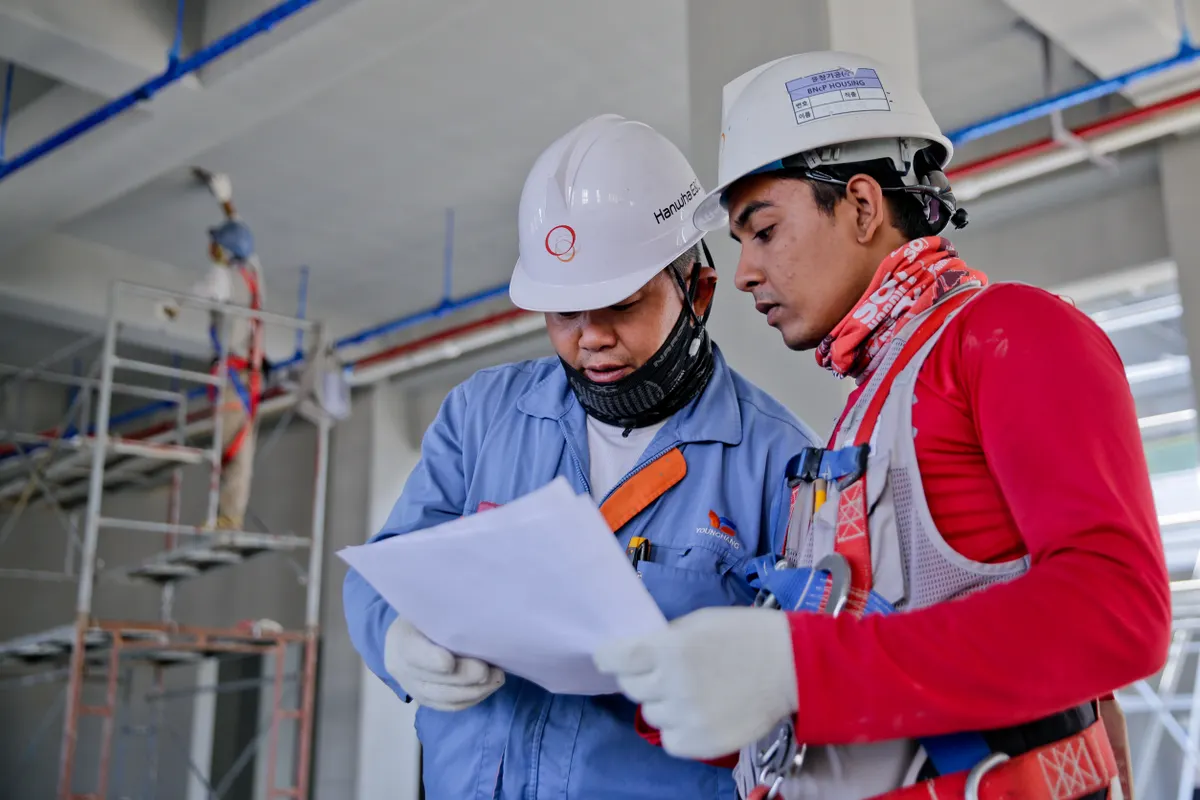
Workplace Safety & Security: The Gap Between the Policy and the Shop Floor
August 11, 2026 · 8 min read

What Happens to Your Sick Leave Numbers When You Take Ergonomics Seriously
June 17, 2026 · 7 min read

He'd Driven That Road a Hundred Times. January Fog Made It Different.
June 14, 2026 · 8 min read

He Collapsed at 11:47 AM. Nobody in the 60-Person Office Knew What to Do.
June 9, 2026 · 8 min read
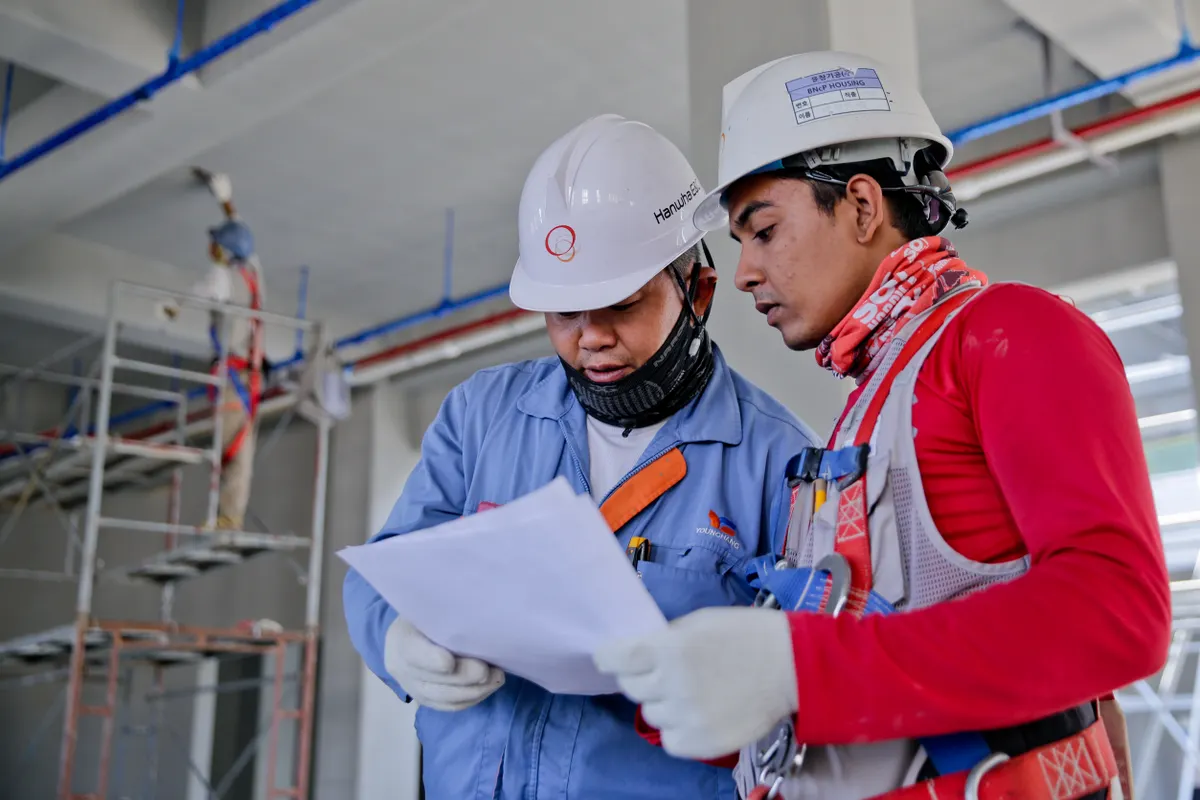
India's EHS Laws Are Stricter Than Most Companies Know. Here's What the New BRSR Disclosure Changes
May 26, 2026 · 8 min read
Frequently asked questions
Is the Factories Act still in force now that the OSH Code applies?
Section 143 of the OSH Code repeals the Factories Act from the date the Code was brought into force, 21 November 2025. Rules and orders made under it continue to the extent they are not contrary to the Code until the Central Government repeals them, and the government has said existing rules continue during the transition, so keep following your State Factories Rules.
Does the law say how often safety training must be repeated?
No. The OSH Code and the Factories Act require training "as necessary" to ensure health and safety but set no refresher interval for general safety training. Yearly refreshers are common practice, and State rules or notified standards may add specific requirements.
Are we responsible for training contract workers?
Section 6(1)(h) makes the employer of a factory, mine, dock, construction site or plantation responsible for the safety and health of employees, workers and other persons on the work premises. BRSR Principle 3 also asks listed companies to report safety incidents including the contract workforce, so contractors should be trained before they start work.
What safety training data does BRSR ask for?
Principle 3, Essential Indicator 8 asks for the number and percentage of employees and workers trained on health and safety measures in the current and previous financial year. Indicator 11 asks for LTIFR, recordable injuries, fatalities and high-consequence injuries.
Can an eLearning course replace practical training?
No. An online course is a good way to give everyone the same knowledge and keep a record, but machine-specific, PPE and emergency drills need hands-on practice on your site. Most companies use both.
Who is liable if an employee ignores safety rules?
Section 106 of the OSH Code makes an employee who breaches a duty liable to a penalty of up to Rs 10,000. The employer is not deemed guilty of that contravention unless it is proved the employer failed to take all reasonable measures to prevent it, which is where training records help.
Which Workplace Safety Training courses does Compliance at Workplace offer?
Workplace Safety and Security (20 min, for All Staff).
Which laws and standards does Workplace Safety Training cover?
Occupational Safety, Health and Working Conditions Code 2020; Factories Act 1948; Building and Other Construction Workers Act; ISO 45001.
Who should take Workplace Safety Training?
All employees, Safety officers, Operations and facility managers, Contractors and visitors.
Can the Workplace Safety Training be customised to our organisation?
Yes. Every course can be customised to your policies, branding and industry scenarios, and delivered on your LMS as SCORM or on our Compliance Central platform.
Sources
- Occupational Safety, Health and Working Conditions Code, 2020 (India Code)
- Factories Act, 1948 (India Code)
- Government makes the four Labour Codes effective from 21 November 2025 (PIB, Ministry of Labour and Employment)
- SEBI BRSR format, Principle 3 (Annexure II, July 2023)
Last updated by the Compliance at Workplace Editorial Team.